
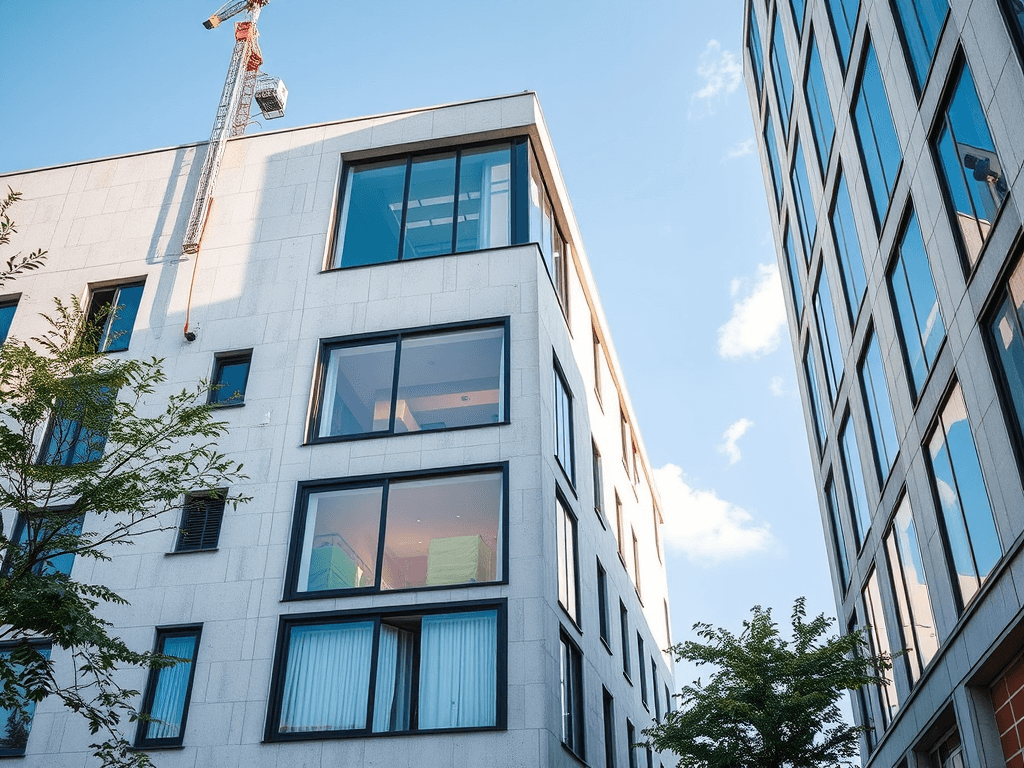
Energy Rehabilitation of Buildings: Your Solution to Save and Take Care of the Planet
Did you know that buildings are responsible for approximately40% of the total energy consumption in Europe? Theenergy rehabilitation of buildingsIt is not only a trend, but a necessity to reduce costs, improve efficiency and comply with environmental regulations. In this article, we will explain why this process is key for your property and how it can benefit you financially while you contribute to caring for the environment.
If you are looking for exclusive and highly relevant information on energy rehabilitation that is not yet widely available on the internet, read on!
What is Energy Rehabilitation of Buildings?
The energy rehabilitation ofbuildingsIt consists of the implementation of technical and technological measures to improve the energy efficiency of a property. This includes the installation of thermal insulation, more efficient heating and cooling systems, LED lighting, renovation of windows and, in some cases, the incorporation of renewable energy such as solar panels.
The main objective is to reduce energy consumption, reduce CO₂ emissions and improve the quality of life of the occupants.
Why is it crucial to energy rehabilitate your building?
Many homeowners underestimate the impact of energy retrofitting until they see their electricity or gas bills skyrocket. Here we show you the key reasons to consider this process:
- Immediate Economic Savings:
Reducing energy consumption means less spending on heating, air conditioning and lighting. The return on investment can be quick, especially with the public aid available. - Normative compliance:
European and local regulations require buildings to be more energy efficient. An energy rehabilitation ensures that your property meets these requirements. - Increase in Property Value:
A building with a high energy certification (for example, A or B) has a higher market value and is more attractive to buyers or tenants. - Contribution to the Environment:
By reducing energy consumption and CO₂ emissions, you are actively contributing to the fight against climate change. - Improved Interior Comfort:
A well-insulated building maintains stable temperatures, reduces external noise and improves indoor air quality.
Common Problems Solved by Energy Rehabilitation
Here we show you some of the most frequent problems that are addressed with energy rehabilitation:
- Thermal Losses:
Uninsulated walls, old windows or poorly sealed roofs cause heat loss in winter and cold in summer. - High Bills:
Outdated heating and air conditioning systems consume much more energy than necessary. - Inadequate Conditions for Occupants:
Extreme temperatures, drafts or humidity negatively affect the quality of life. - Low Energy Certification:
Buildings with energy rating G or F have difficultiesrentor sell due to poor performance. - Incompatibility with Renewable Energies:
Old installations are not prepared to integrate systems such as solar panels or heat pumps.
Unique Benefits of Energy Rehabilitation
These are some little-known but highly relevant benefits that energy rehabilitation offers:
- Access to Subsidies and Tax Deductions:
Many countries offer significant financial support for energy rehabilitation projects, such as the European Recovery Plan or local programs. - Technological modernization:
Incorporating intelligent systems such as programmable thermostats, motion sensors or remote control of facilities improves the functionality of the building. - Neighborhood Conflict Reduction:
Problems such as noise or temperature fluctuations are minimized with good energy rehabilitation. - Greater Building Longevity:
Improvements such as thermal insulation or waterproofing extend the useful life of materials and structures. - Adaptación a Futuras Normativas:
Anticiparte a las exigencias legales futuras evita sanciones y garantiza que tu edificio esté siempre al día.
Casos Únicos donde la Rehabilitación Energética Marca la Diferencia
Descubre situaciones poco exploradas pero altamente relevantes donde la rehabilitación energética es indispensable:
- Edificios Históricos o Protegidos:
Es posible mejorar la eficiencia energética sin alterar el valor patrimonial del edificio, utilizando materiales compatibles y técnicas innovadoras. - Comunidades de Propietarios:
Una rehabilitación energética colectiva puede reducir drásticamente los costes comunitarios y mejorar la convivencia entre vecinos. - Zonas con Clima Extremo:
En áreas con inviernos fríos o veranos calurosos, un buen aislamiento térmico es esencial para mantener el confort interior. - Edificios de Uso Mixto:
Si tu edificio combina viviendas, oficinas y locales comerciales, una rehabilitación energética optimiza el uso de recursos para todos los usuarios.
Pasos para una Rehabilitación Energética Exitosa
Para garantizar resultados óptimos, sigue estos pasos clave:
- Diagnóstico Energético:
Contrata a un técnico certificado para realizar un análisis detallado del estado actual del edificio. - Planificación del Proyecto:
Define prioridades (aislamiento, renovación de instalaciones, energías renovables) y elabora un presupuesto ajustado. - Selección de Materiales y Tecnologías:
Opta por soluciones duraderas y sostenibles, como sistemas SATE, ventanas de doble acristalamiento o paneles solares. - Ejecución Profesional:
Confía en empresas especializadas con experiencia en rehabilitación energética para garantizar un trabajo de calidad. - Seguimiento y Mantenimiento:
Establece un plan de mantenimiento regular para asegurar que las mejoras funcionen correctamente a largo plazo.
¿Cuánto cuesta una Rehabilitación Energética?
El coste varía según el tamaño del edificio, las medidas implementadas y las ayudas disponibles. Aquí tienes una estimación general:
- Aislamiento Térmico (SATE): Entre €80 y €150/m².
- Renovación de Ventanas: Entre €200 y €500 por ventana.
- Instalación de Paneles Solares: Entre €5,000 y €15,000, dependiendo del tamaño del sistema.
- Rehabilitación Integral: Más de €20,000 para edificios completos.
Es importante solicitar varios presupuestos y comparar ofertas antes de tomar una decisión.
Conclusión: Tu Edificio Más Eficiente y Sostenible
The energy rehabilitation of buildings no es solo una inversión económica, sino también un compromiso con el futuro. Ya sea que busques reducir tus facturas, cumplir con normativas o contribuir al medio ambiente, este proceso te ofrece soluciones integrales que marcarán la diferencia.
No esperes a que las normativas o el aumento de costes energéticos te obliguen a actuar. Contacta hoy mismo con un profesional especializado en rehabilitación energética y descubre cómo puedes transformar tu edificio en un espacio eficiente, moderno y sostenible.
¿Te ha resultado útil esta guía? ¡Compártela con otros interesados en el tema! Si tienes más preguntas, déjalas en los comentarios y nuestro equipo de expertos estará encantado de ayudarte.
Palabras Clave SEO:
Rehabilitación Energética de Edificios, Eficiencia Energética en Viviendas, Subvenciones para Rehabilitación Energética, Aislamiento Técnico SATE, Certificación Energética de Edificios, Energías Renovables en Edificios, Ahorro Energético en Comunidades, Modernización de Edificios.
Long Tail Keywords:
- «Cómo elegir una empresa para rehabilitación energética»
- «Coste de rehabilitación energética por metro cuadrado»
- «Subvenciones disponibles para paneles solares en edificios»
- «Solución a pérdidas térmicas en edificios antiguos»
- «Requisitos legales para eficiencia energética en edificios»
Meta Descripción:
Descubre todo sobre la rehabilitación energética de edificios: desde ahorro económico hasta cumplimiento normativo. Encuentra aquí las mejores soluciones para tu propiedad. ¡Contacta hoy mismo!


Únete a la discusión