
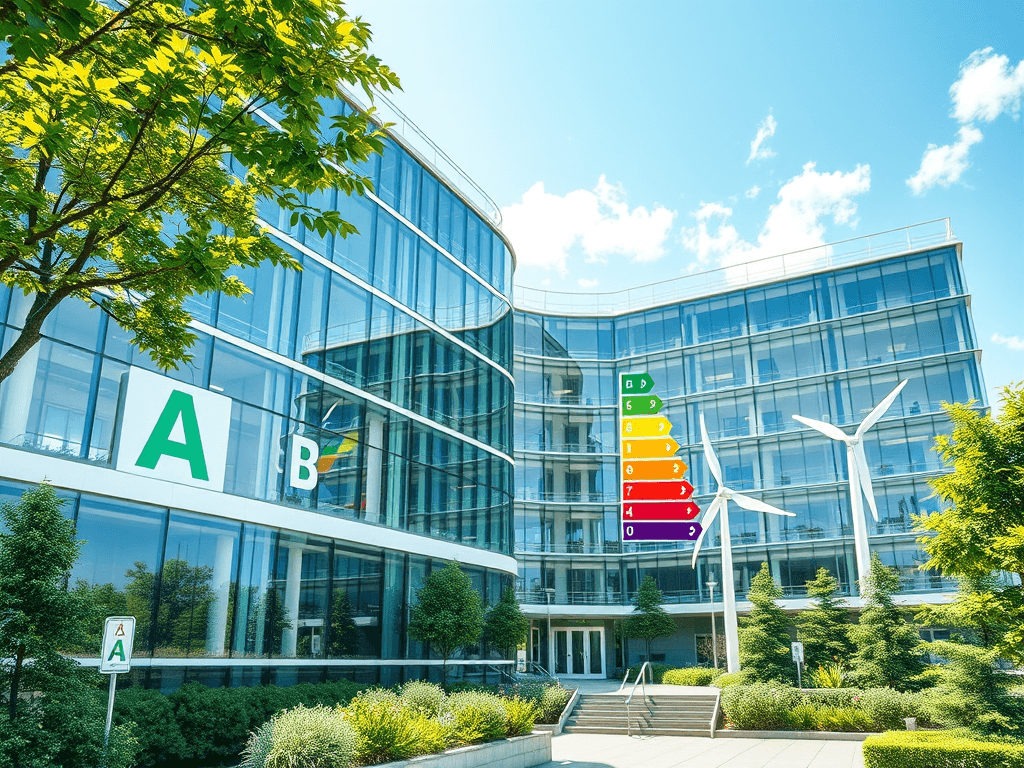
Building Energy Certification: Your Passport to Efficiency and Savings
Did you know that since 2021 it is mandatory to present aEnergy Efficiency Certificate (CEE)to rent or sell any property in Spain? Thebuilding energy certificationIt is not only a legal requirement, but also a powerful tool to improve the competitiveness of your property, reduce costs and contribute to the environment. In this article, we will explain why this certification is crucial, how to obtain it, and the unique benefits it offers.
If you are looking for exclusive and highly relevant information on energy certification that is not yet widely available on the internet, keep reading!
What is Building Energy Certification?
The Energy CertificationBuildingsIt is an official document that evaluates the energy performance of a home, office or building. This report assigns a grade (from A, the most efficient, to G, the least efficient) based on factors such as energy consumption, CO₂ emissions and facility efficiency.
The main objective is to provide owners, buyers or tenants with clear information about the energy behavior of the property, helping them make informed decisions.
Why is it crucial to obtain Energy Certification?
Many homeowners underestimate the importance of energy certification until they face legal problems or difficulties renting orsellyour property. Here we show you the key reasons to prioritize this process:
- Legal Compliance:
It is mandatory for all real estate transactions (sale or rental) in Spain. Failure to do so can result in significant fines. - Increase in Property Value:
A building with a high rating (A or B) has a higher market value and is more attractive to buyers or tenants. - Economic Savings:
Identifying areas for improvement allows us to implement solutions that reduce energy consumption and, therefore, bills. - Contribution to the Environment:
Reducing CO₂ emissions and improving energy efficiency helps combat climate change. - Market Competitiveness:
Buyers and renters increasingly value sustainable and efficient properties.
Common Problems Solved by Energy Certification
Here we show you some of the most frequent problems that energy certification addresses:
- High Energy Bills:
- Causes: Lack of insulation, obsolete systems or poor thermal design.
- Solution: The report includes recommendations to improve energy efficiency.
- Difficulty Renting or Selling:
- Causes: Properties with low grades (F or G) are less in demand.
- Solution: Improving energy efficiency increases the competitiveness of the property.
- Incompatibility with Public Aid:
- Causes: Many grants require minimum certifications to access financing.
- Solution: Obtaining certification opens the door to financial aid.
- Lack of Technical Information:
- Causes: Owners are unaware of the real energy performance of their property.
- Solution: The report provides accurate data for making strategic decisions.
- Legal Sanctions:
- Causes: Not having energy certification in real estate transactions.
- Solution: Obtaining the certificate avoids fines and legal conflicts.
Unique Benefits of Energy Certification
These are some little-known but highly relevant benefits that energy certification offers:
- Access to Subsidies and Tax Deductions:
Many administrations offer financial aid for projects that improve energy efficiency after certification. - Improved Interior Comfort:
Properties with high certifications tend to have more stable temperatures, better ventilation systems and lower noise. - Adaptation to Future Regulations:
Ensure that your property meets future legal requirements and is prepared for regulatory changes. - Neighborhood Conflict Reduction:
Problemas como ruidos o fluctuaciones de temperatura se minimizan en edificios con certificaciones energéticas optimizadas. - Modernización Tecnológica:
El proceso de certificación puede incluir la incorporación de tecnologías avanzadas, como sistemas inteligentes de control de energía.
Casos Únicos donde la Certificación Energética Marca la Diferencia
Descubre situaciones poco exploradas pero altamente relevantes donde la certificación energética es indispensable:
- Edificios Históricos o Protegidos:
La certificación permite identificar soluciones compatibles con la estructura original para mejorar su eficiencia sin comprometer su valor patrimonial. - Comunidades de Propietarios:
Una certificación colectiva puede reducir drásticamente los costes comunitarios y mejorar la convivencia entre vecinos. - Litigios por Consumo Energético:
Un informe técnico detallado puede resolver disputas entre propietarios o con terceros responsables de los gastos energéticos. - Rehabilitación Integral de Barrios Antiguos:
Modernizar certificaciones energéticas puede revitalizar áreas urbanas deterioradas, aumentando el valor de mercado de todas las propiedades.
Pasos para Obtener la Certificación Energética
Para garantizar resultados óptimos, sigue estos pasos clave:
- Contratación de un Técnico Certificado:
Asegúrate de que el profesional esté registrado en un colegio profesional o institución competente. - Inspección Técnica:
El técnico realizará una evaluación detallada del edificio, revisando elementos como aislamiento, ventanas, sistemas de calefacción y refrigeración. - Análisis de Datos:
Se analizarán los datos recopilados para calcular el rendimiento energético y asignar una calificación. - Emisión del Certificado:
Recibirás un documento oficial con la calificación energética y recomendaciones específicas para mejorarla. - Implementación de Mejoras (Opcional):
Si lo deseas, puedes implementar las recomendaciones del informe para mejorar la calificación y el rendimiento energético.
¿Cuánto cuesta obtener la Certificación Energética?
El coste varía según el tamaño del inmueble, su complejidad y la ubicación geográfica. Aquí tienes una estimación general:
- Viviendas Pequeñas (hasta 100 m²): Entre €150 y €300.
- Viviendas Medianas (100-200 m²): Entre €300 y €600.
- Edificios Completos o Grandes Propiedades: Más de €600, dependiendo del tamaño y complejidad.
Es importante solicitar varios presupuestos y comparar servicios antes de tomar una decisión.
Conclusión: Tu Inmueble Más Competitivo y Sostenible
The Certificación Energética de Edificios no es solo un trámite legal, sino una herramienta estratégica que protege tu inversión, optimiza recursos y garantiza la seguridad de todos los ocupantes. Ya sea que necesites cumplir con normativas, mejorar tu propiedad o simplemente ahorrar dinero, este proceso te ofrece soluciones integrales que marcarán la diferencia.
No esperes a que las normativas o el aumento de costes energéticos te obliguen a actuar. Contacta hoy mismo con un técnico certificado y descubre cómo puedes transformar tu inmueble en un espacio eficiente, moderno y sostenible.
¿Te ha resultado útil esta guía? ¡Compártela con otros interesados en el tema! Si tienes más preguntas, déjalas en los comentarios y nuestro equipo de expertos estará encantado de ayudarte.
Palabras Clave SEO:
Certificación Energética de Edificios, Calificación Energética de Viviendas, Subvenciones para Eficiencia Energética, Ahorro Energético en Inmuebles, Certificado de Eficiencia Energética Obligatorio, Mejora de Certificación Energética.
Long Tail Keywords:
- «Cómo elegir un técnico para certificación energética»
- «Coste de certificación energética por metro cuadrado»
- «Solución a calificaciones bajas en certificaciones energéticas»
- «Subvenciones disponibles tras certificación energética»
- «Diferencias entre certificación energética obligatoria y voluntaria»
Meta Descripción:
Descubre todo sobre la certificación energética de edificios: desde su importancia hasta los beneficios que ofrece. Encuentra aquí las mejores estrategias para proteger tu propiedad. ¡Contacta hoy mismo!


Únete a la discusión